Bringing Pets Into the Family Circle
As design leader for devices at Life360, I owned the hardware and companion experiences across the portfolio: the Pet GPS tracker this study covers in depth, Tile tracker integration into the app, and the new Life360 experience on Apple Watch.
01 PROBLEM
Life360 is where tens of millions of families already look to know that everyone is safe and where they are. Open the app and you see your circle on a single map: each person, their location, the places that matter. But when I looked closely at who actually lives inside those families, one member was missing from the picture entirely.
I was the design leader for devices at Life360, responsible for how physical hardware and the app work together: the Pet GPS tracker this case study focuses on, the integration of Tile trackers into the Life360 experience, and the new Life360 experience on Apple Watch. The pet tracker is the deepest of those stories, because it started with a gap hiding in plain sight.
Around 80% of active Life360 circles included a pet, yet the product had no concept of one. The dog that sleeps on the bed, rides in the car, and bolts out of an open gate was, as far as the app was concerned, not part of the family. Families were quietly stitching the gap themselves, running a separate pet tracker in a separate app, with a separate subscription and a separate map to check.
That gap was already being filled by dedicated trackers like Tractive and Fi, so I studied both closely before designing anything. They had spent years building genuinely good standalone products: real-time GPS, geofenced safe zones, activity and sleep tracking, and collars built to survive a muddy retriever. I set that as our bar from day one, because coming in second on accuracy or battery life was never going to be forgiven just because we were the family app.
So I framed the brief around a bigger ambition than adding a pet gadget: bring the pet into the circle as a full member of the family, in the place families already check every day, and do it well enough to stand next to the best dedicated trackers on the market.
02 APPROACH
The core design move
I made the decision that shaped everything else: treat the pet as a member of the circle, not as a device bolted onto the side of the app. I put the pet on the same family map, in the same member list, with the same presence and place alerts as a person, and I pushed back on every proposal for a separate pet mode. When you open Life360 to see where your kids are, the dog is simply there too, which is exactly how families already think about it.
Listening to how families live with pets
Before designing anything, I spent time with pet owners already using Tractive and Fi, and with Life360 families who tracked their pets with nothing at all. Two themes came up again and again. People did not want yet another app to check, and their trust lived or died on two things: whether the location was accurate at the moment it mattered, and whether the battery would last long enough to be there when it mattered. Everything else was secondary to those two anxieties.
Getting the collar onto the pet
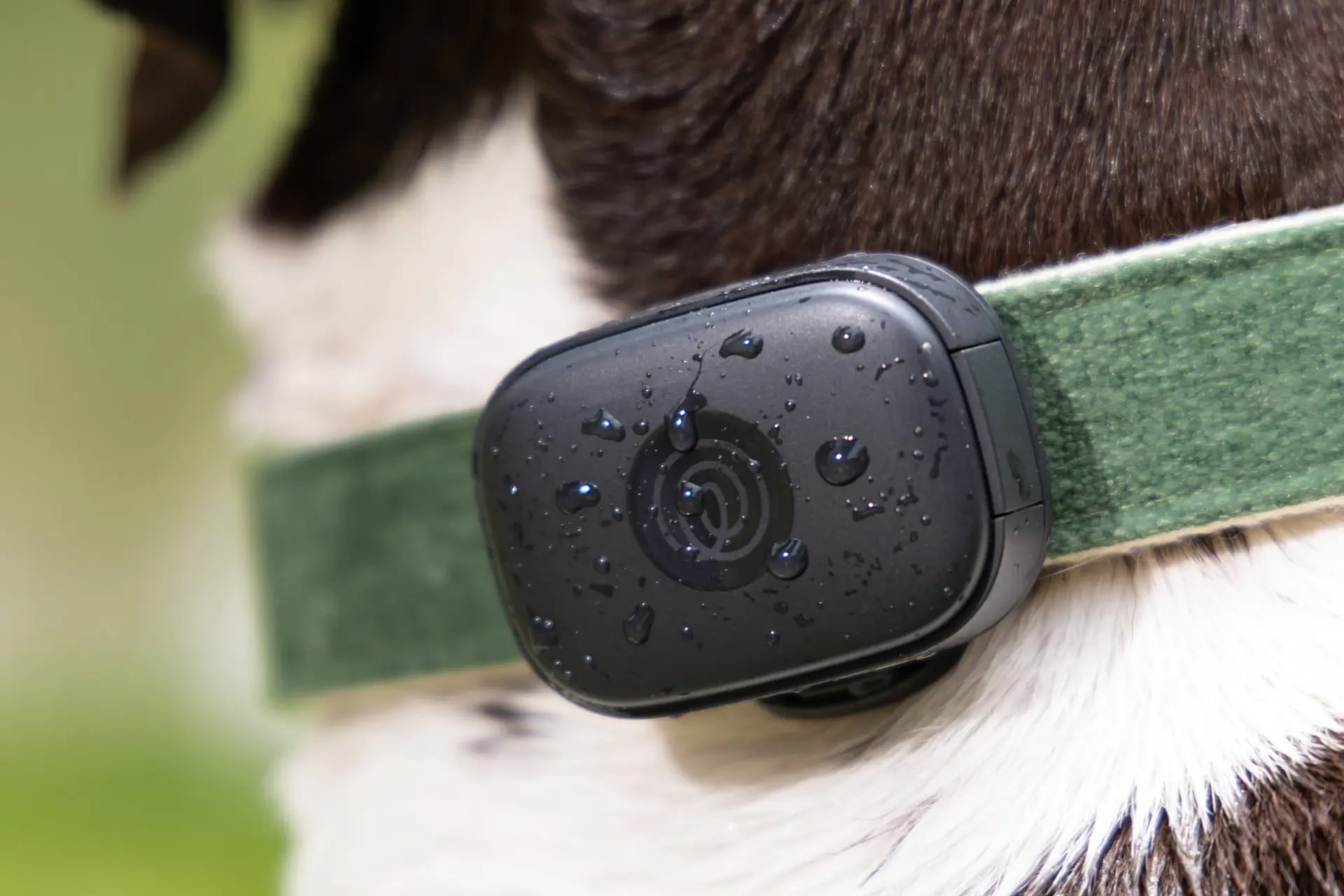
Hardware onboarding is where most pet trackers lose people. I designed pairing to feel like adding a family member rather than configuring an electronic device: name the pet, choose their photo, fit and pair the collar with clear physical guidance, and set up home as their first safe place. By the end of setup the pet has a face and a place in the circle, not just a serial number.
Real-time tracking on a map families already know
I built the live experience on the map Life360 families already trust, so there is nothing new to learn. You watch your pet's location update in real time alongside everyone else, and I designed clear, honest signals for location confidence so the map never pretends to be more certain than it is. My principle throughout: accuracy you can trust beats precision you can't.
Safe zones and the alert that matters
The moment that matters most is the one where the gate is open and the dog is already gone. I designed place-based alerts so families are told the instant their pet leaves home or a defined safe zone, fast and unmissable, while keeping everyday comings and goings quiet enough that the one important alert never gets buried in noise.
Battery and reliability as design problems
Battery anxiety was the single biggest reason people abandoned trackers, so I treated power as a first-class part of the experience rather than a spec on a box. I designed the product to be honest about battery state, to warn early and clearly before it becomes a problem, and to reserve the highest-frequency tracking for the moments it is needed most. A tracker that is dead in a drawer protects nothing.
Designing around a hardware problem
The collar's physical design was handled by an outside agency and went to manufacturing without enough real-world testing. Once devices were on real pets, some began detaching from the collar, which is close to the worst failure a product can have when its entire promise is knowing where your pet is. Hardware refinements were out of scope and a long way off, so the problem landed on me: how do I protect families now, in software. I proposed drop alerts. The app watches for the signature of a device that has come loose or separated and tells the owner the moment it happens, turning a silent hardware failure into a caught, recoverable one. It meant the product could keep shipping and keep families covered while the physical fix moved through a much slower pipeline.
One experience across iPhone and Android
Families don't all carry the same phone, and a pet belongs to the whole household, so the experience had to feel native and identical on both iOS and Android. I designed one system that respects each platform's conventions while keeping the pet, the map, and the alerts perfectly consistent for everyone in the circle.
03 OUTCOME
The Pet GPS Tracker brought pets into Life360's circles for the first time, as a connected hardware and software product rather than a feature bolted on after the fact. I led design end to end, partnering closely with hardware, firmware, mobile engineering, and research to take it from the founding insight through to a shipping product that families could buy and put on their dog. The pet stopped being a gap in the family map and became a member of it.
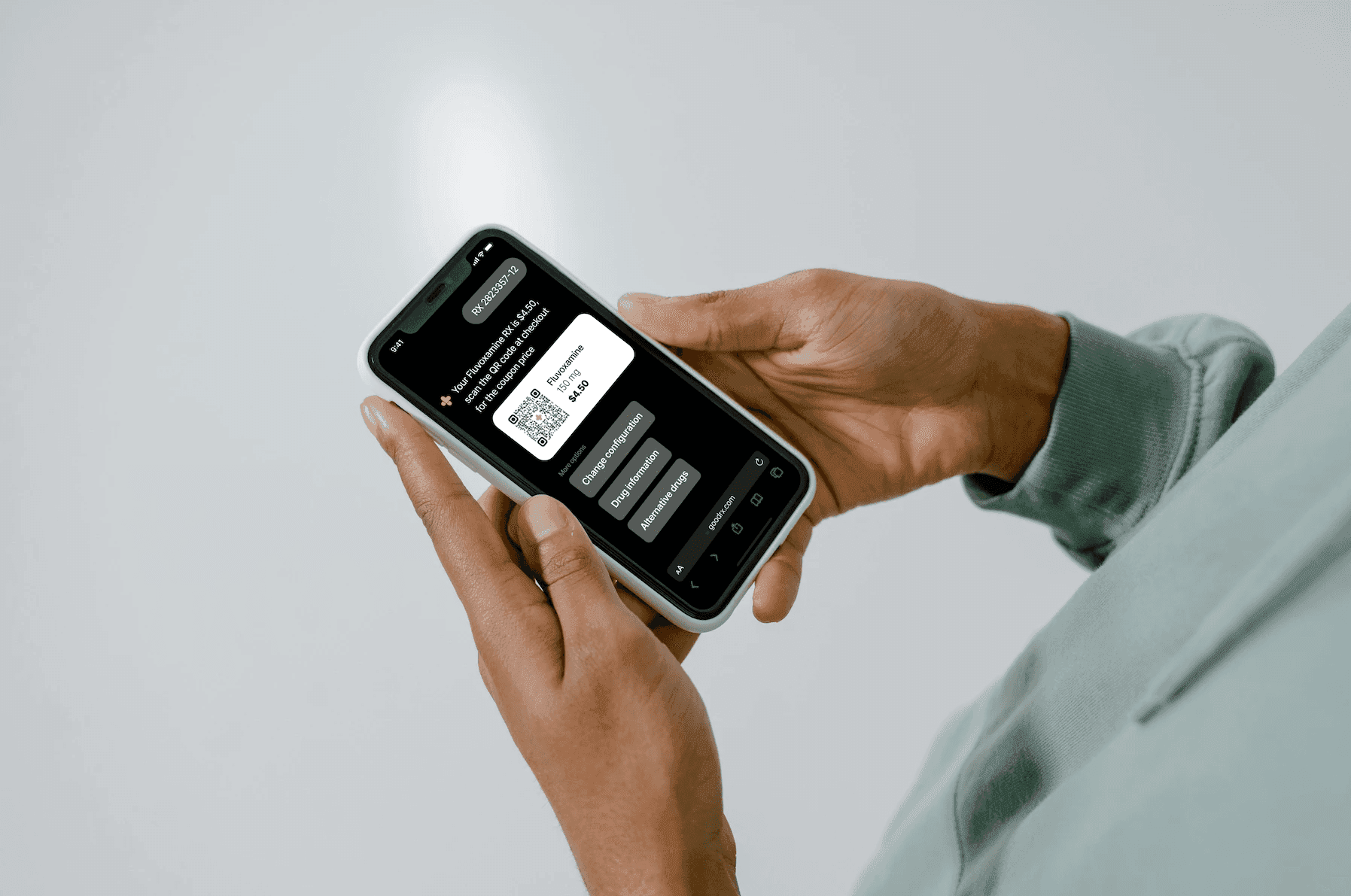
The pet tracker was one part of the devices remit. In the same role I led design for the Tile tracker integration into Life360, bringing item tracking onto the same family map alongside the people and pets, and for the new Life360 experience on Apple Watch, putting the circle on the wrist for the moments when pulling out a phone is one step too many. Together they turned Life360's device story from a single companion gadget into a coherent family of hardware experiences.
"The whole family on one map. Including the four-legged ones."
What I Learned
MEET PEOPLE WHERE THEY ALREADY LOOK
The strongest version of this product wasn't a better standalone tracker, it was the pet showing up in the app families already opened ten times a day. The distribution advantage was the design advantage. Competing on the incumbents' terms would have wasted the one thing they couldn't copy.
TRUST IS BUILT ON TWO NUMBERS
Accuracy when it matters, and battery when it matters. Every other feature was a nice-to-have stacked on top of those two. Designing against a category leader forced a ruthless clarity about which problems were existential and which were decoration.