
Ambient Intelligence Powered AI
A 0-to-1 bet to make Alexa proactive and ambient: decentralizing sensors across the home so AI can anticipate and assist with nothing worn or held.
01 PROBLEM
Alexa was responsive but never contextual or pre-emptive. Nothing happened until someone said "Alexa...", which made every interaction one-way and forced people to memorize unintuitive voice commands. No human relationship works like that, and it showed in how shallow the interactions stayed.
I spearheaded the project to change that: a 0-to-1 bet on making Alexa proactive and ambient. My concept decentralized sensors, both inputs and outputs, across the rooms of a home while keeping costs viable. I pitched the idea, assembled a team of six, and set us a hard six-month deadline to prove the concept's viability to leadership: ambient computing with nothing worn or held, no headset, no watch, nothing on your person.
02 APPROACH
SENSORS
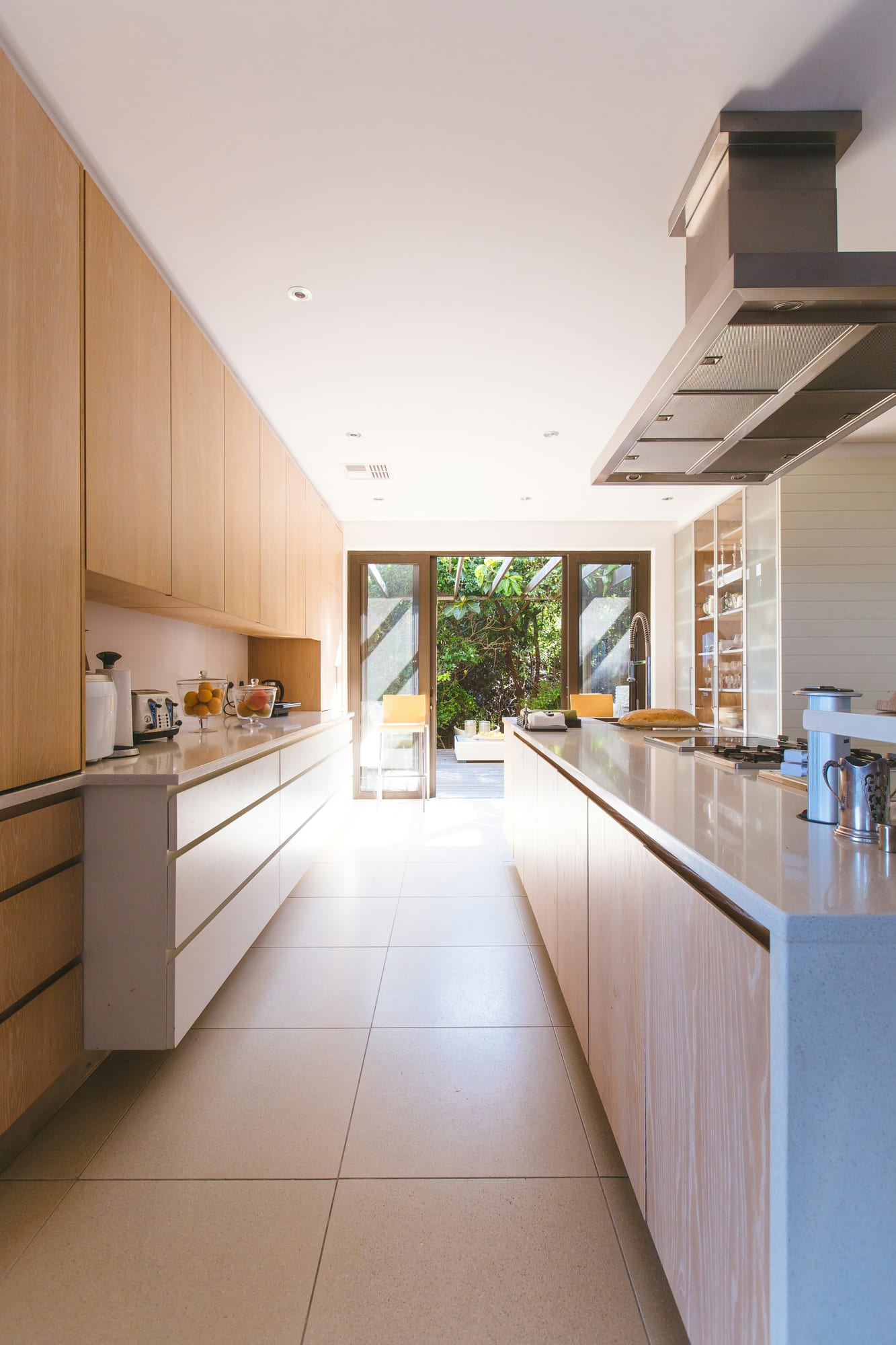
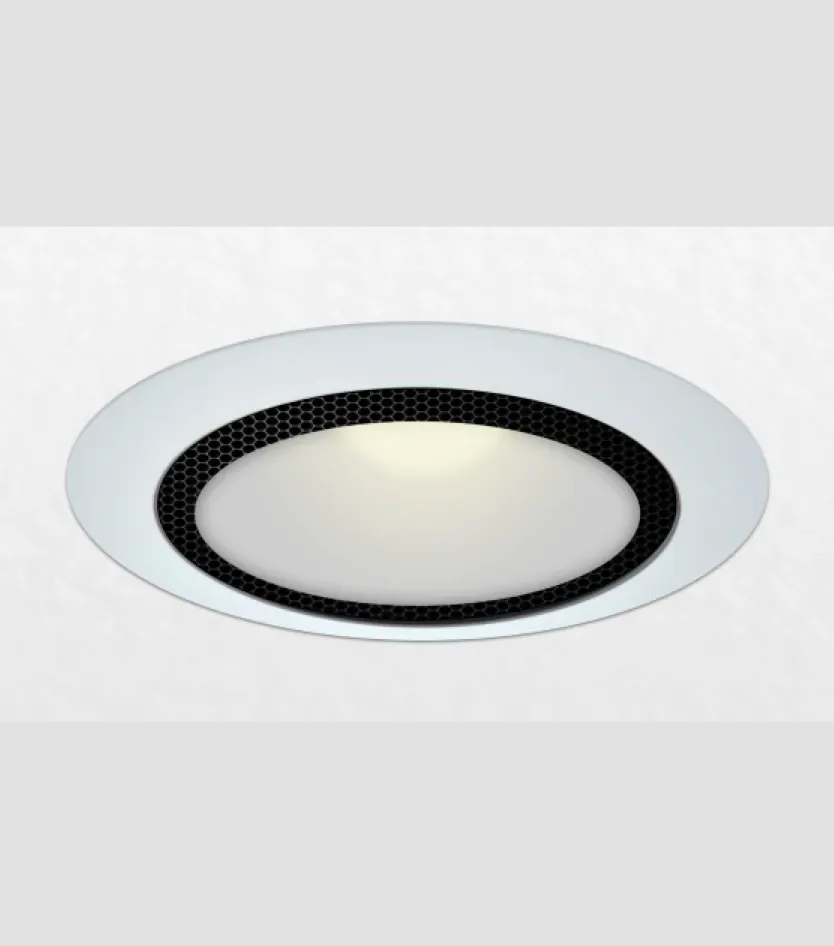
The first problem I solved was where the sensors live. Nobody wants visible surveillance hardware in their home, so I proposed concealing them inside recessed can lights on the ceiling. Can lights are already everywhere, they retrofit easily into existing homes, and their housings have room for microphones, speakers, and radar sensors. Mounted up high, they sit outside sightlines and never get blocked by people or furniture. It was the ideal location hiding in plain sight.
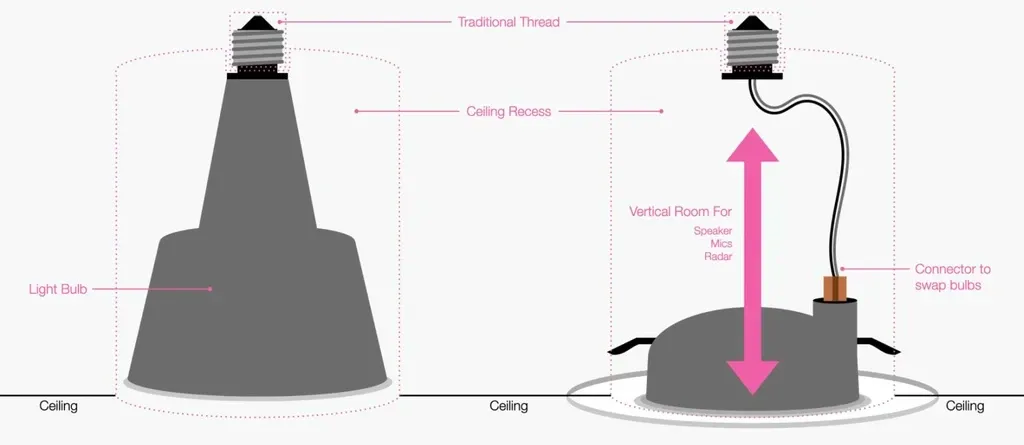
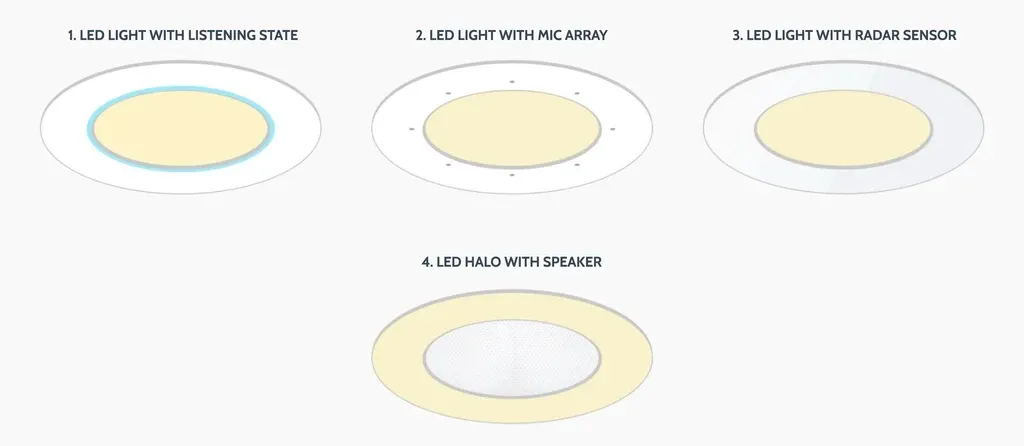
Perfect Sensors for the Space
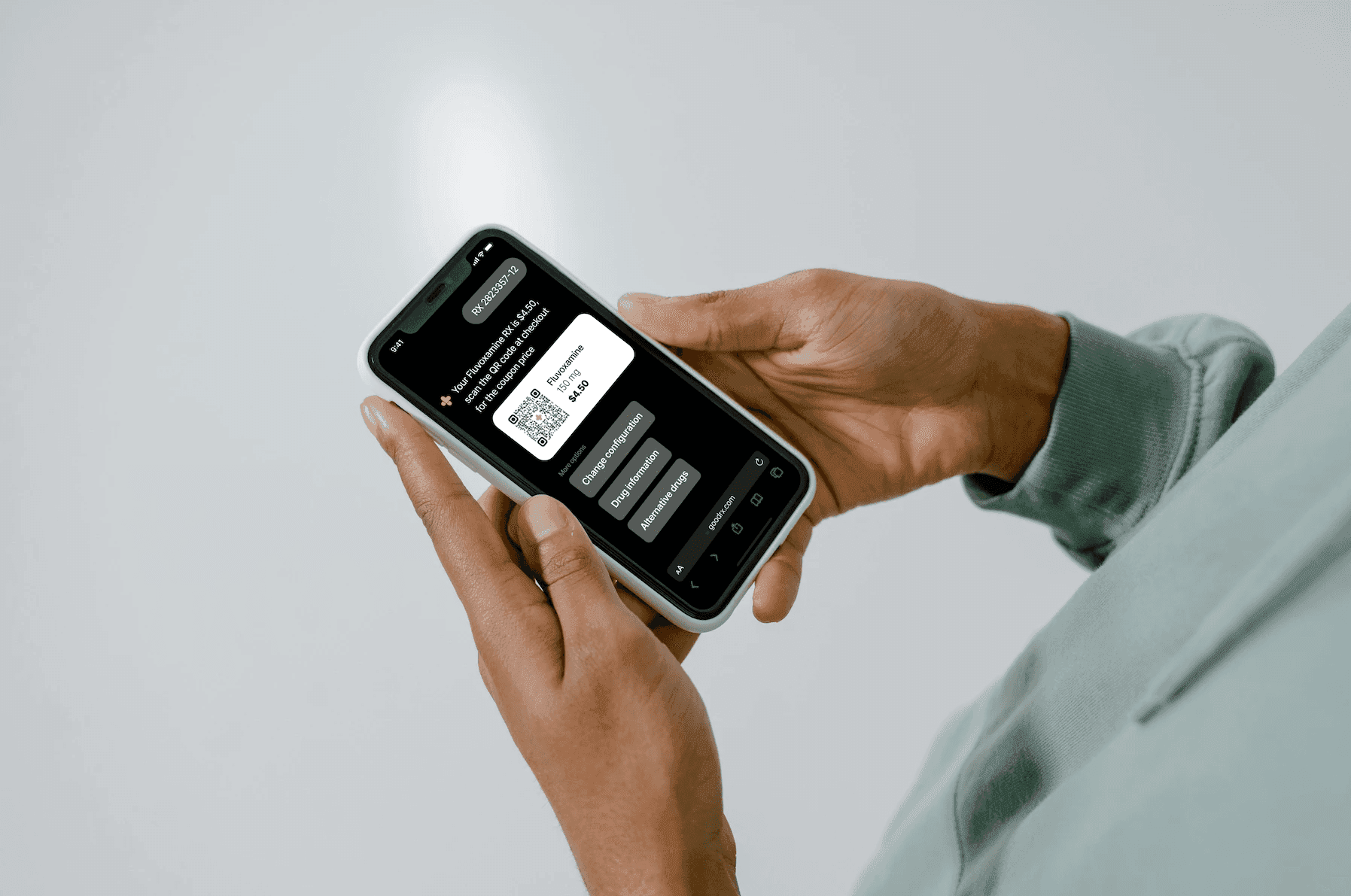
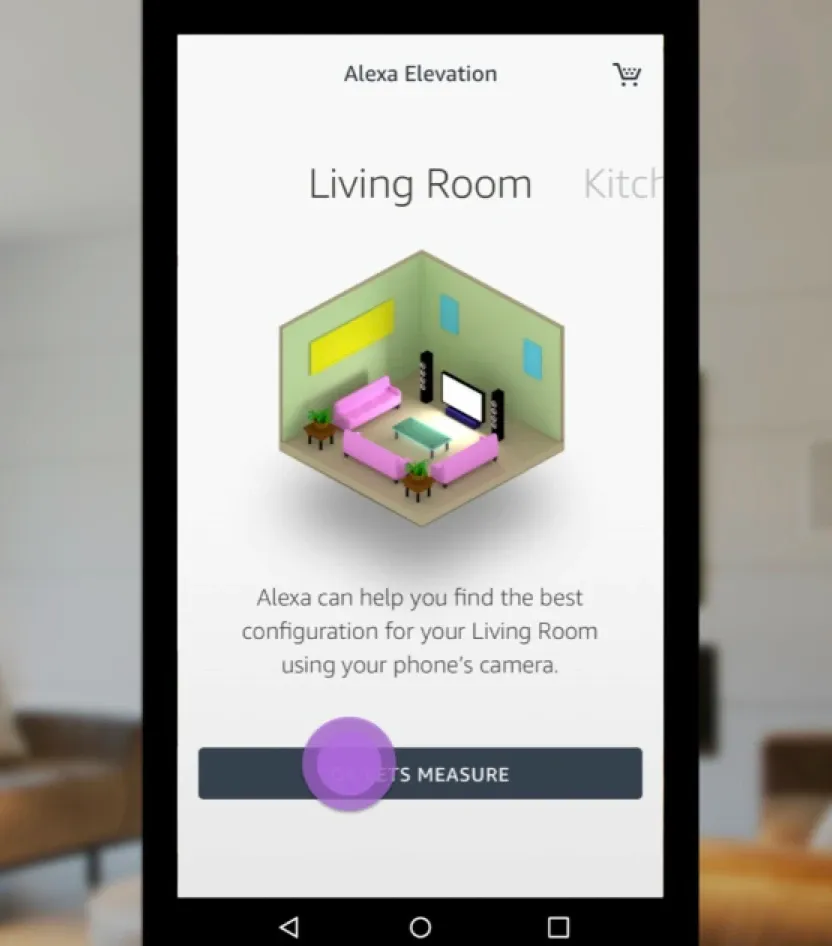
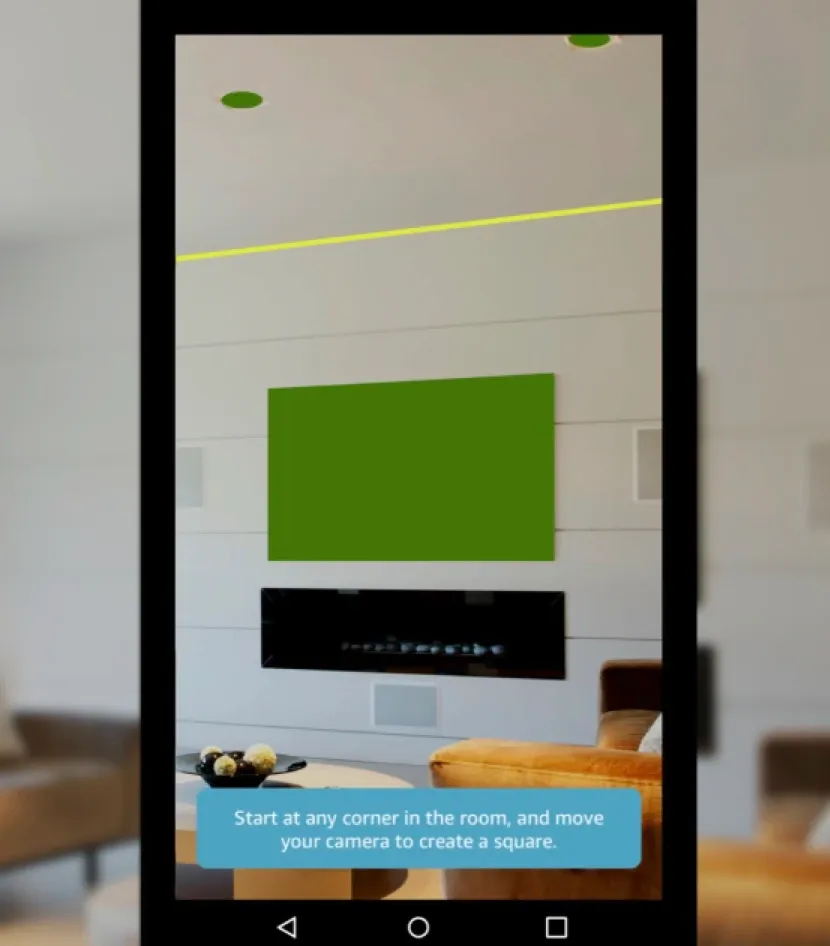
I designed the setup flow so the home tells you what it needs. In these wireframes, the customer scans their room with their smartphone camera; the app finds upgrade points like ceiling lights and TVs, measures the room, and the AI recommends the right sensor types and quantity for that specific space. No spec sheets, no guessing at coverage.
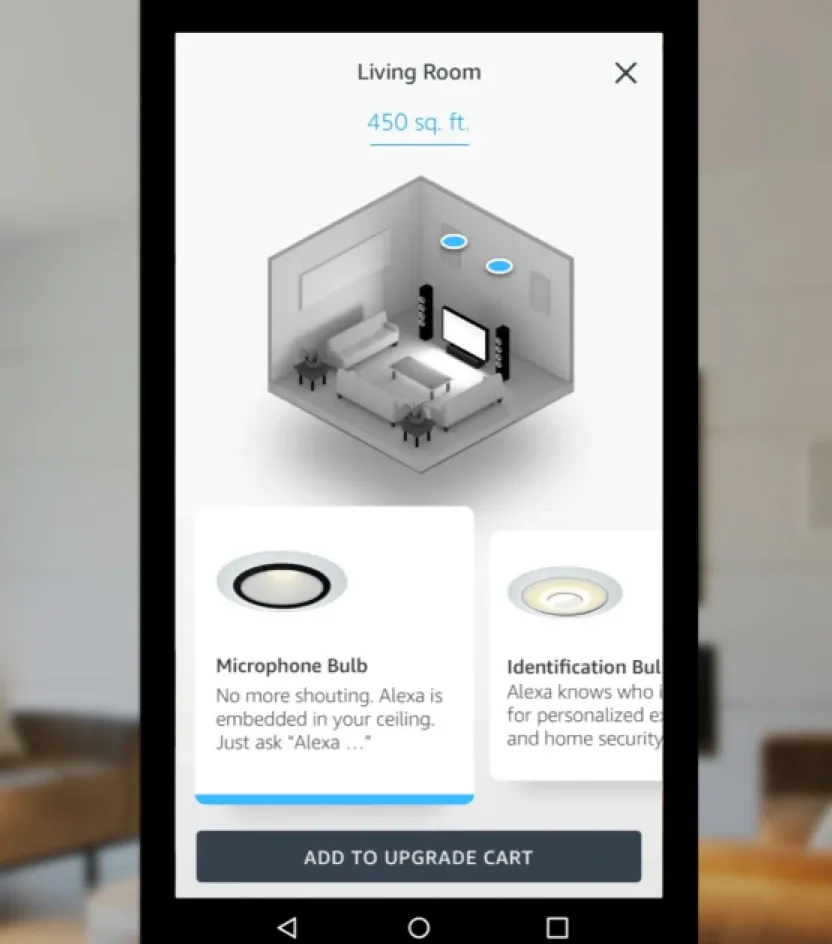
BUY THE UPGRADES
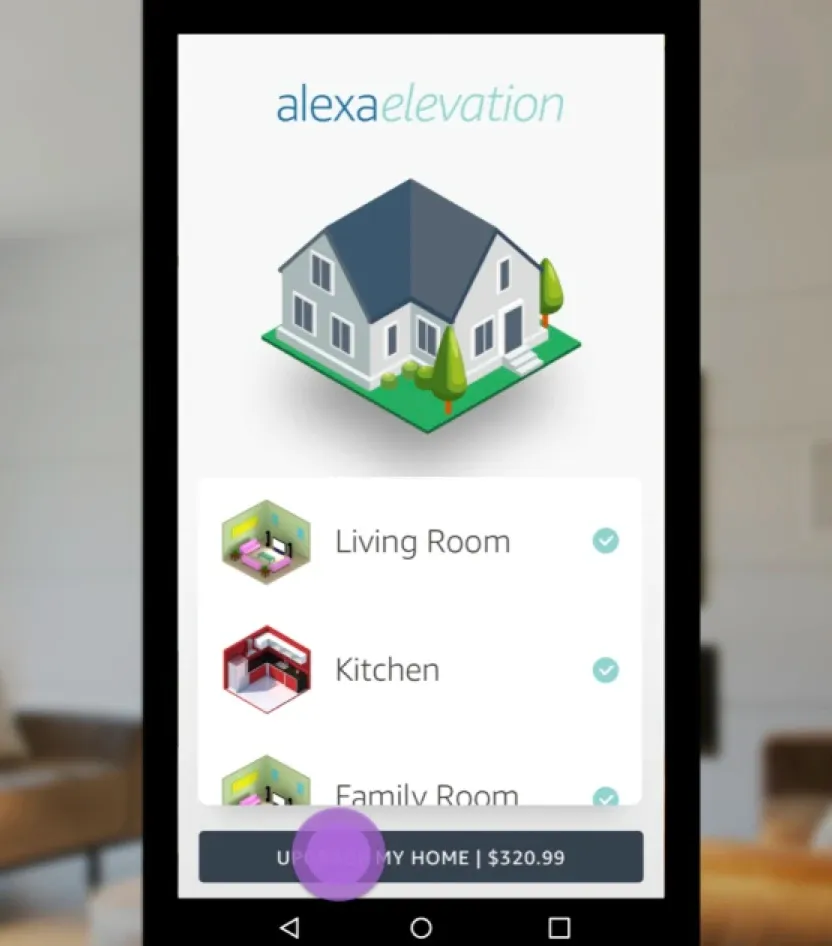
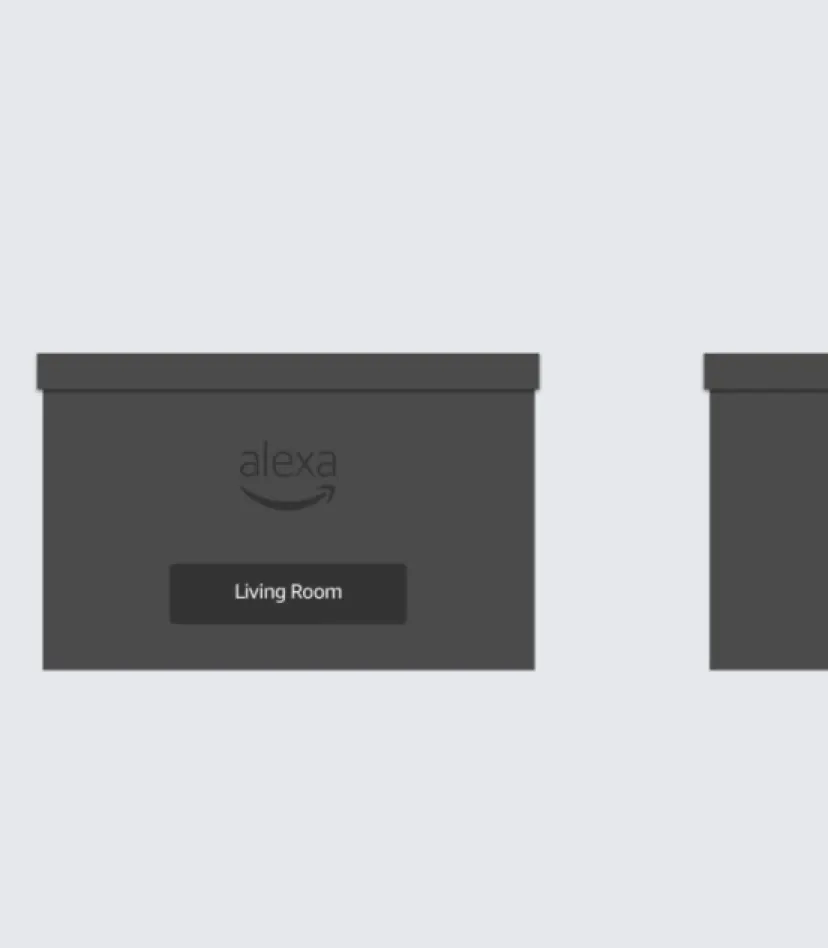
From the scan, customers purchase upgrades room by room. I designed the fulfillment experience too: Prime delivers next day, one easy-open box per room, so unboxing maps exactly to the installation plan instead of arriving as a pile of parts.

INSTALLATION
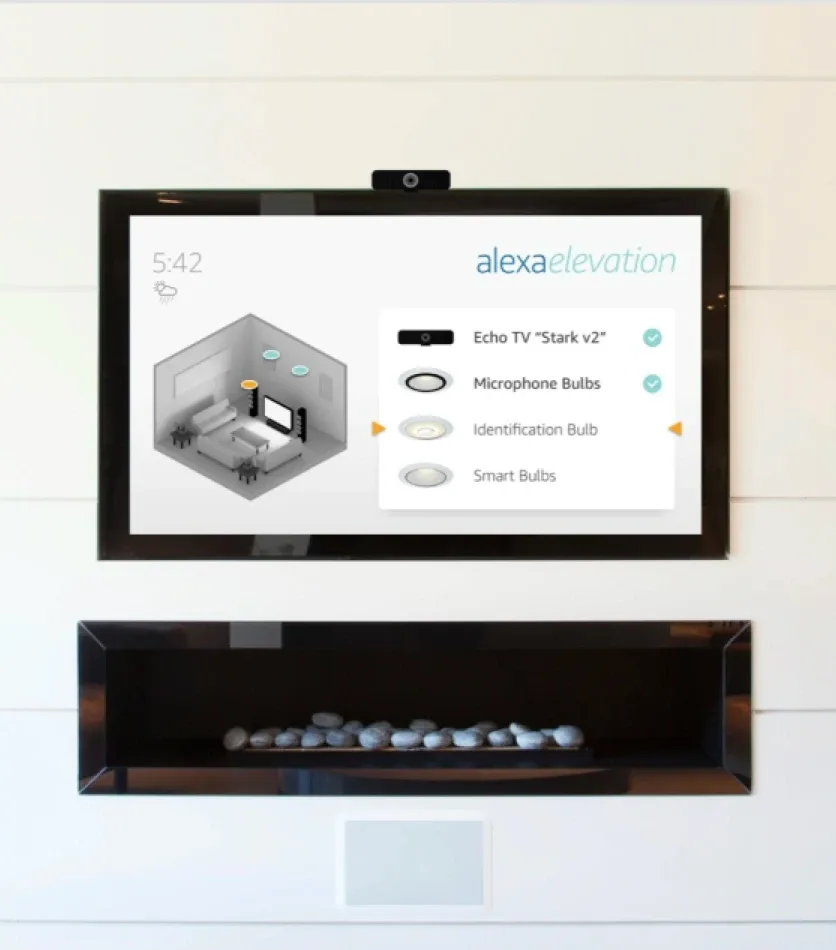
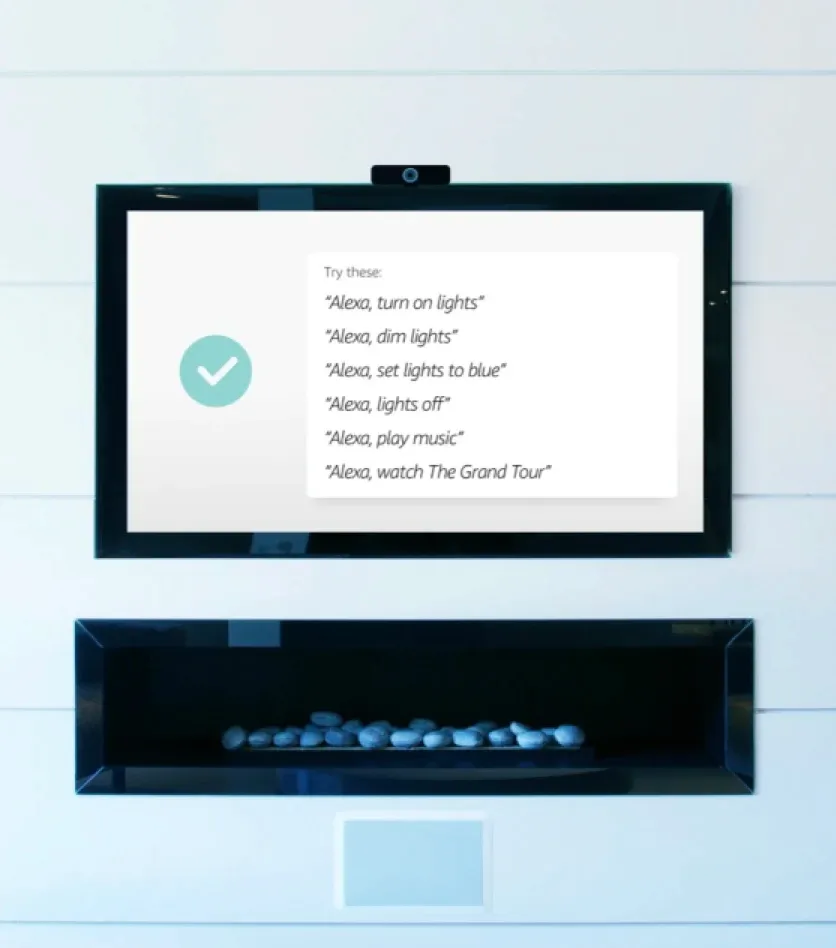
I designed installation to start in the living room with the Alexa TV box, because I wanted the home itself to run the setup. The moment the box connects, the TV takes over as the guide: it shows which sensor to install first, starting with unscrewing the recommended light bulb. Guided by the biggest screen in the house rather than another phone app, the experience feels like your home is genuinely upgrading and reacting to each step you take.
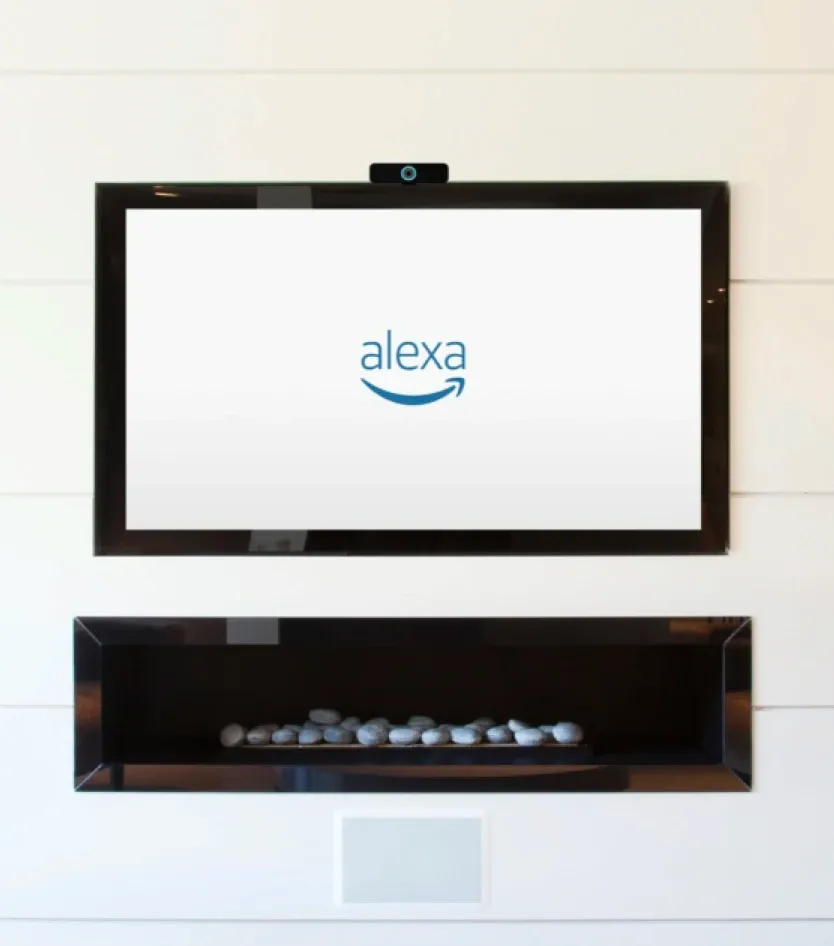
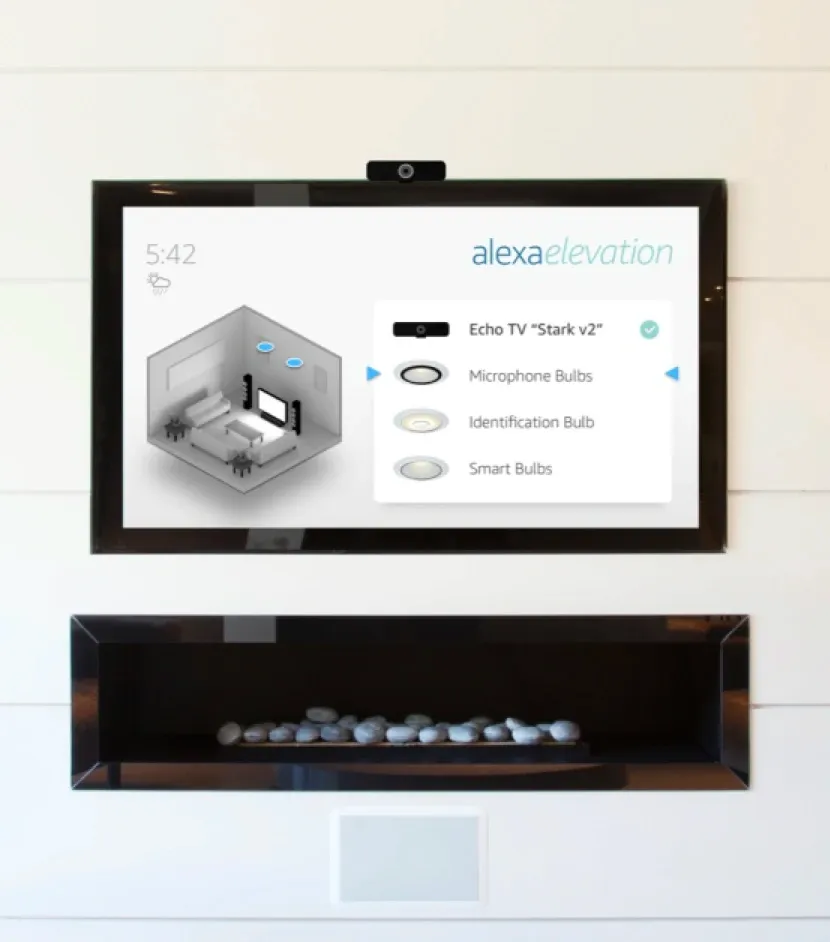
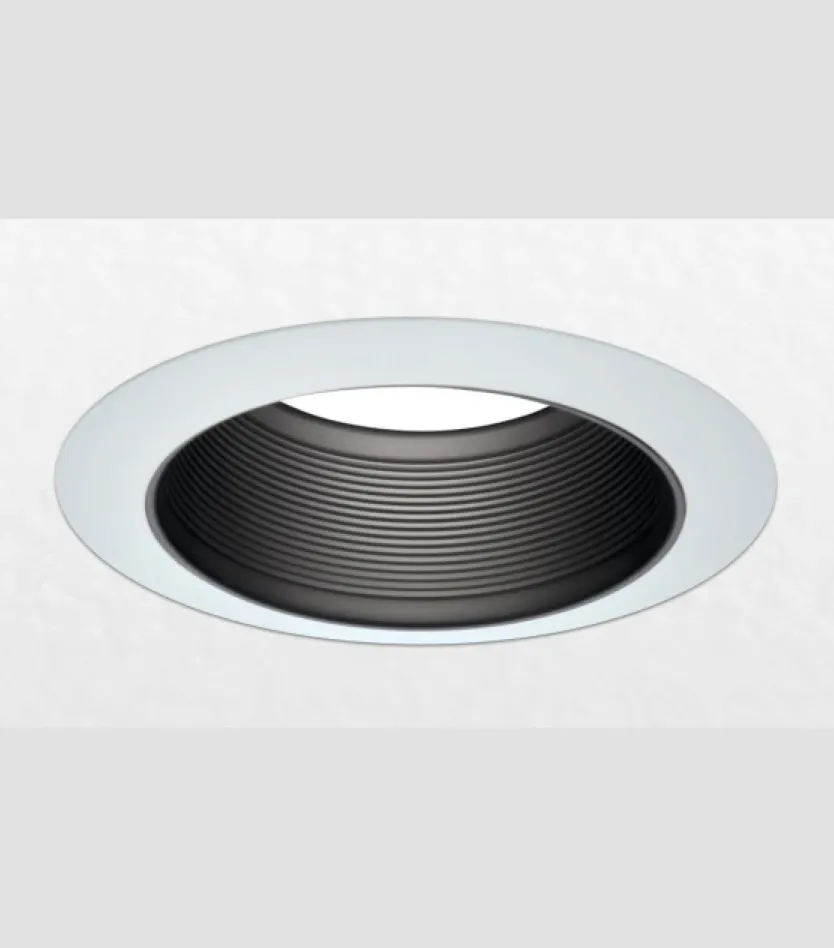
Screw in the new sensor bulb and the home reacts instantly. The pattern repeats for each chosen room, with light colors changing to confirm completion and the on-screen tutorial keeping pace. I wanted every install step to end in feedback you can see across the room, not a spinner on a phone.
THE BRAINS
At the center of the system I specified a Hub that does the invisible work. It uses the home's existing power lines plus dedicated wireless communications to provision account details and connect every Alexa sensor with zero setup, while keeping the sensors entirely off the home WiFi network. Your Amazon account integrates with the Hub seamlessly, and the sensor network stays isolated from the most attacked surface in the house.
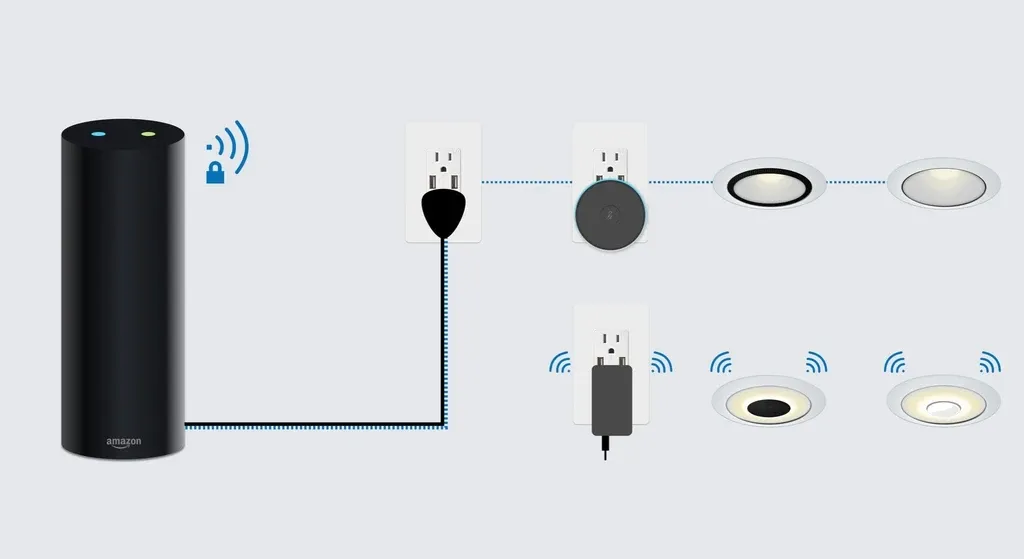
Privacy shaped the processing model as much as the hardware. Alexa AI runs on-device in the Hub, fast and local, and only sends data to the cloud as a last resort. For a system with microphones and radar spread through the home, that boundary was non-negotiable in my design.
EXAMPLE UX INTERACTION
To make the concept concrete for leadership, I storyboarded a real scenario. A husband and wife are on a video call with family in the living room.
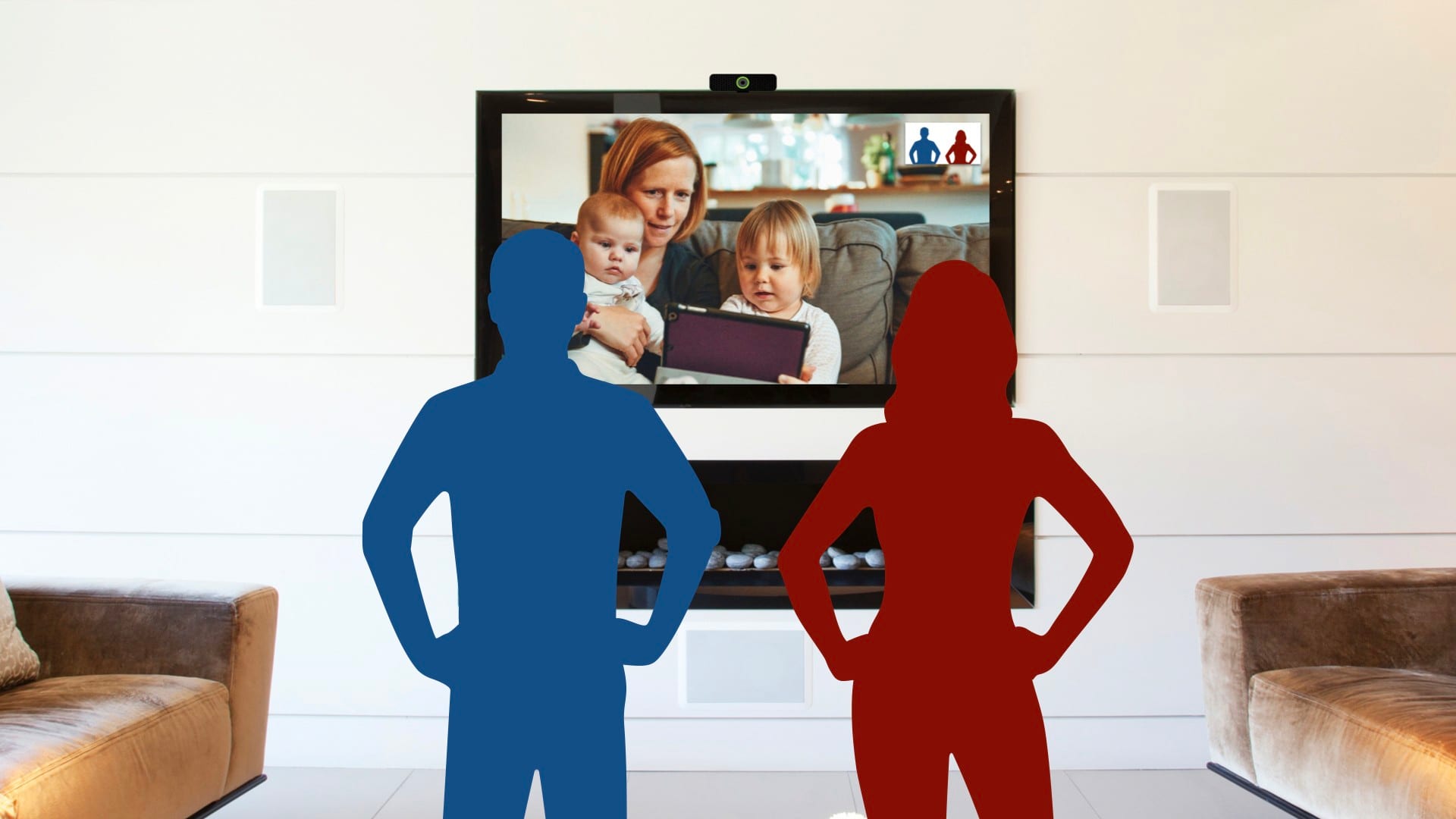
The wife walks away from the TV, still talking to her family. In my interaction model, Alexa reads that as the natural cue it is: she hasn't left the call, she has just left the room.
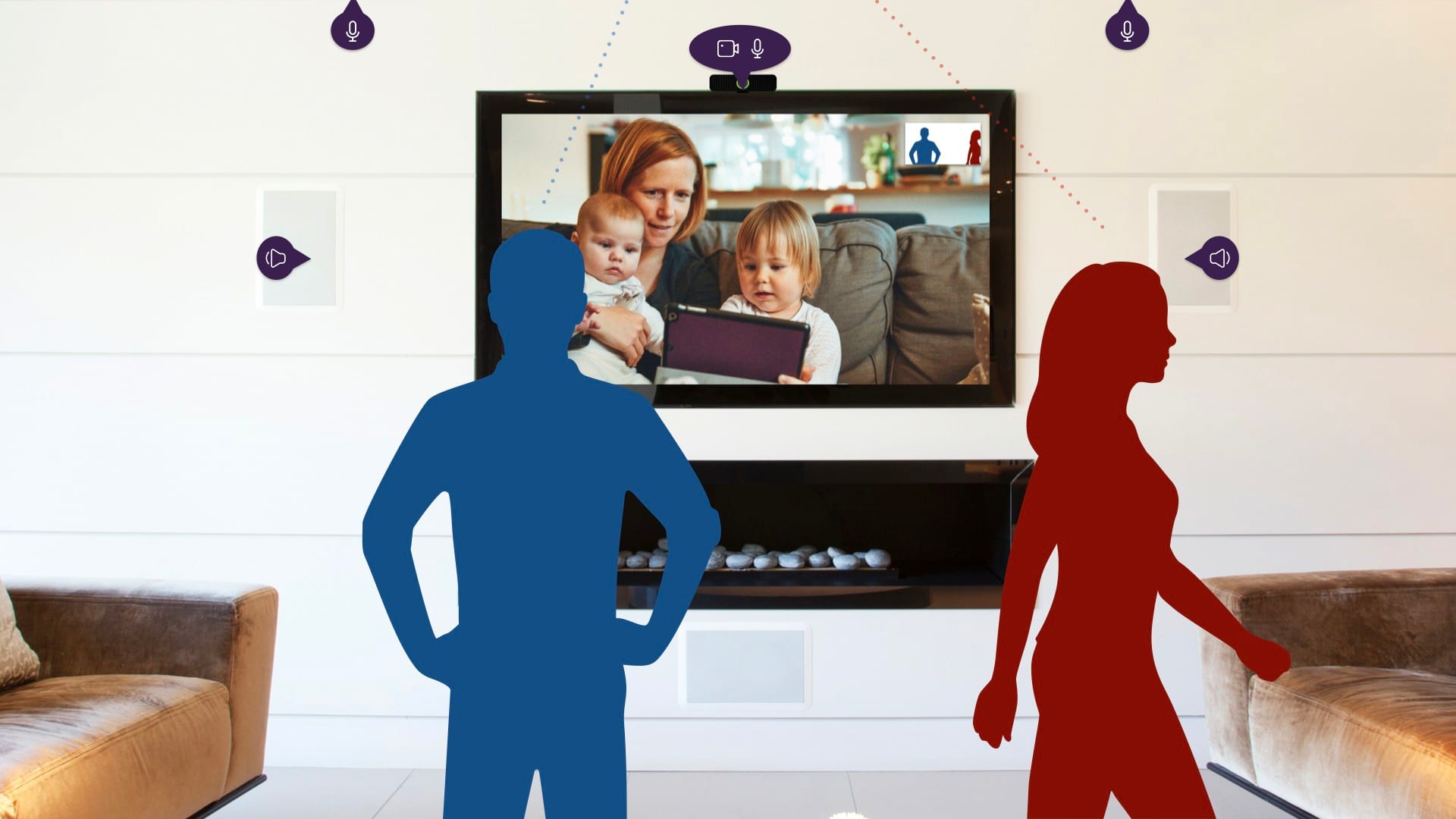
As she moves through the home, the edge sensors hand her off between them based on proximity, so she keeps hearing and speaking on the call without a single command.
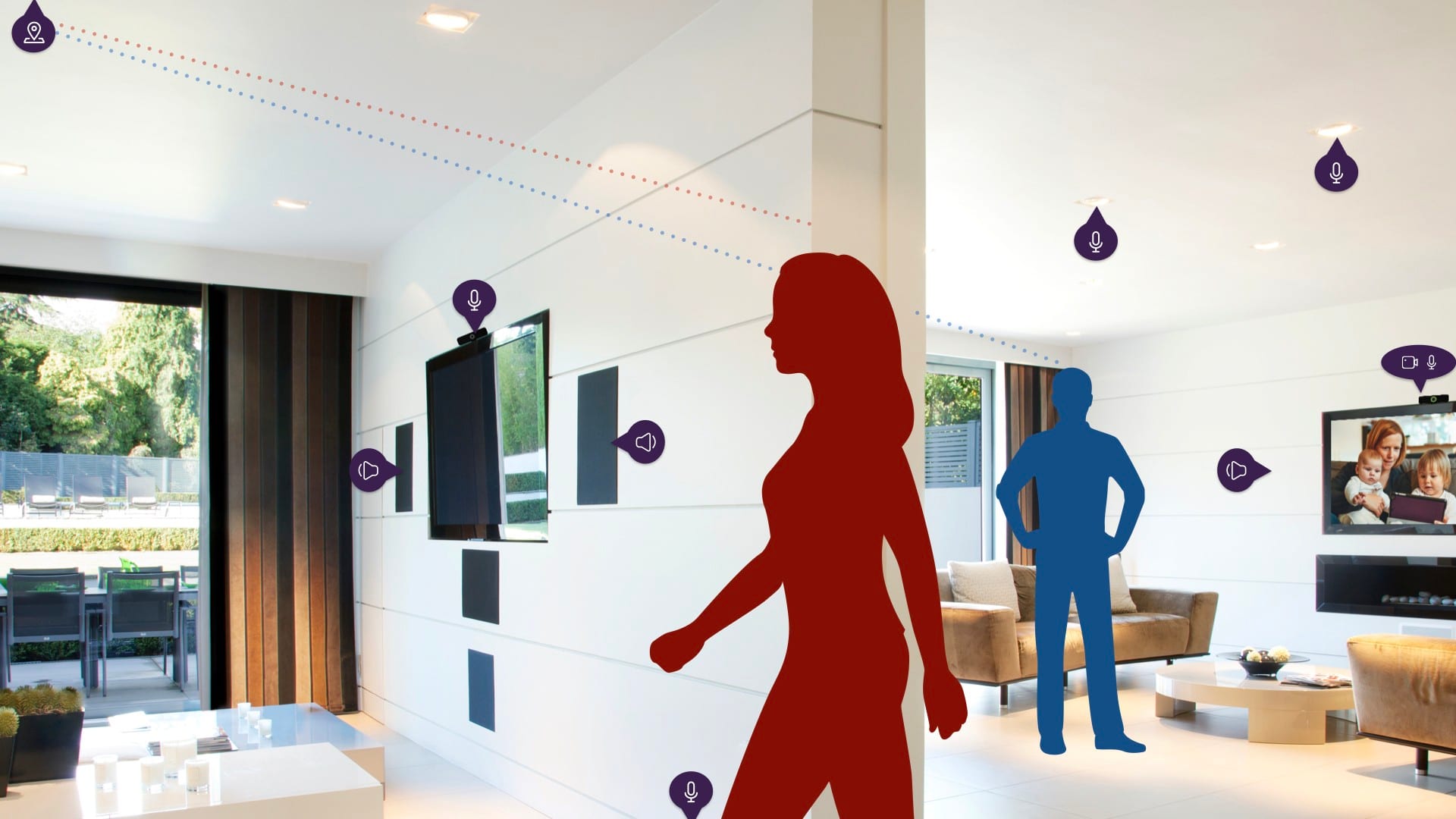
She reaches the kitchen and makes a cup of tea, still chatting, still connected.
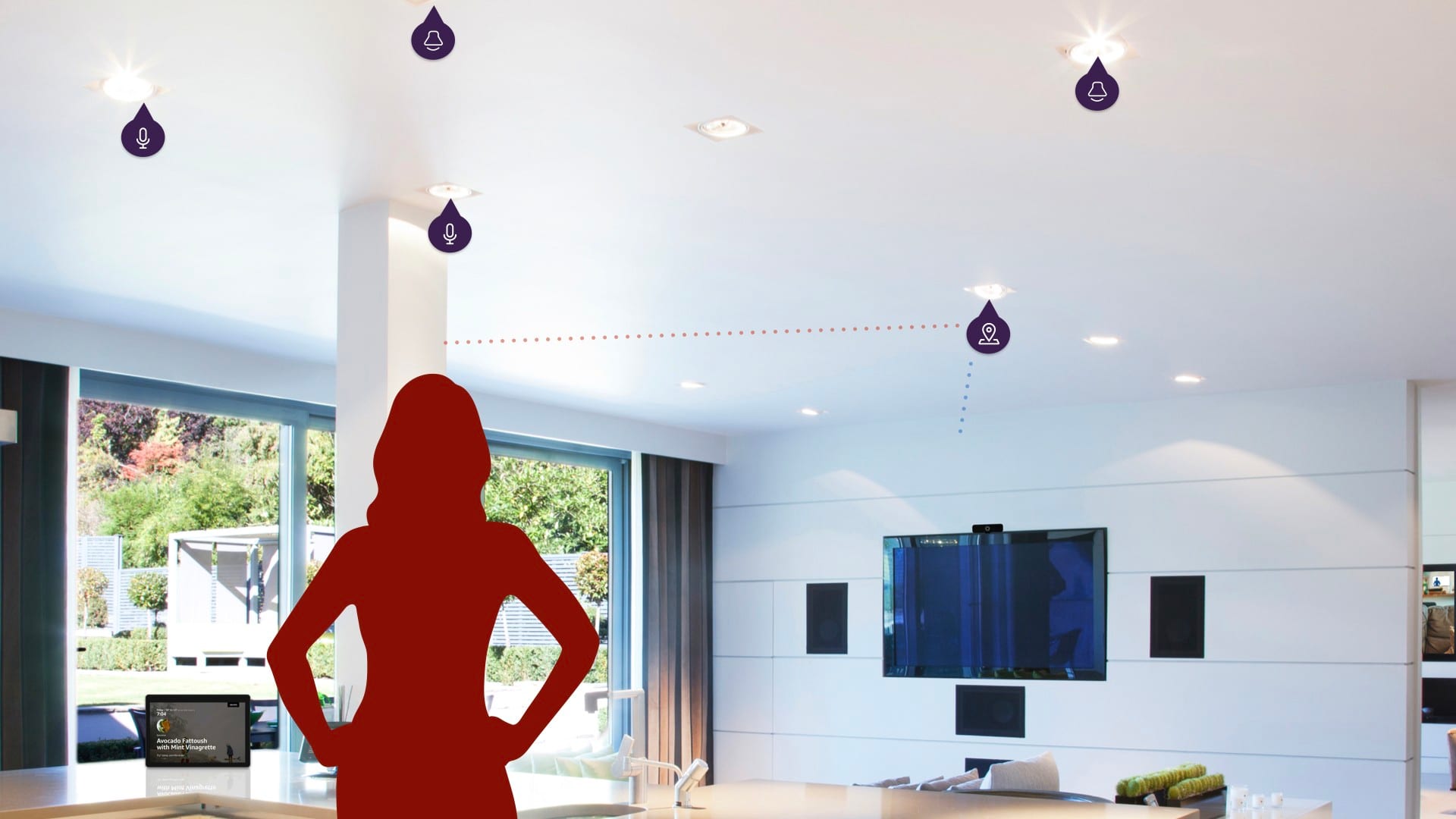
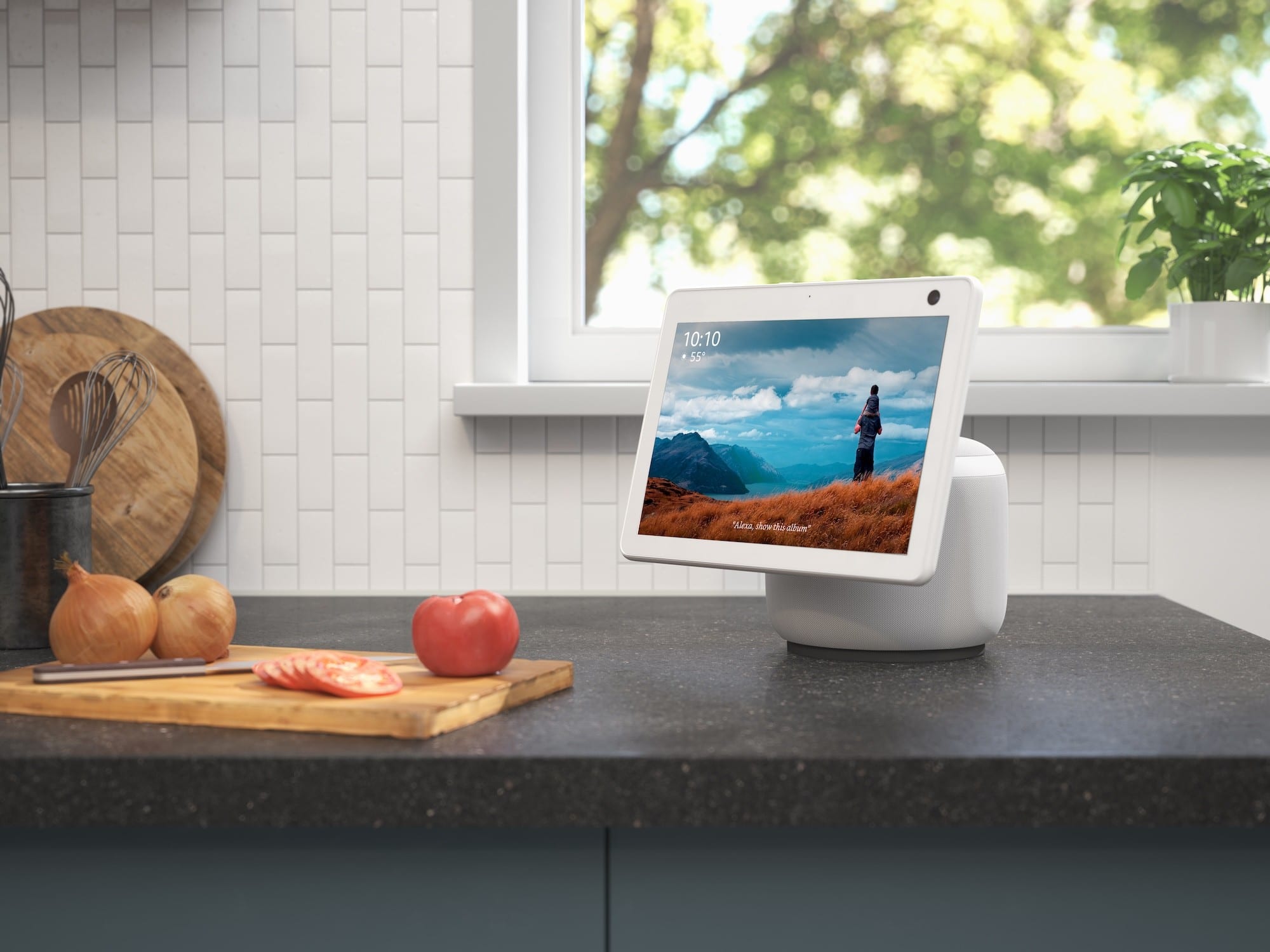
She glances down at the kitchen screen. Her gaze alone brings up the video portion of the call, and she can see her husband in the living room and her family across the country. I designed gaze as the intent signal here because looking at a screen is the request.
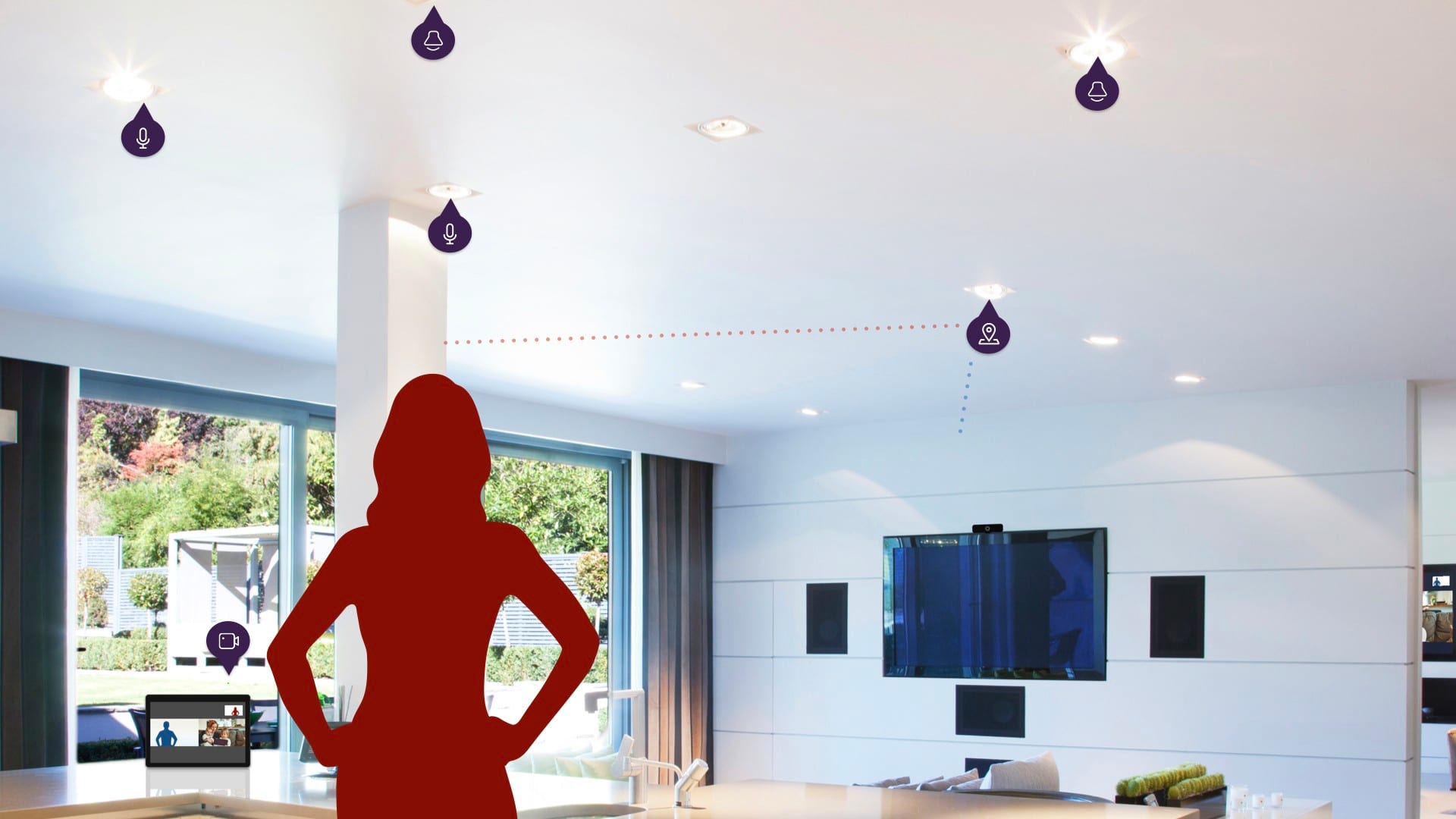
Everything in that sequence happened proactively. Nobody said the "Alexa..." wake word, nobody issued a command, and the call went from a single call to a split call without a moment of interruption. That was the entire thesis of the project in one scenario.
03 OUTCOME
I proved the concept's viability to Amazon leadership within the six months I had committed to. The most concrete result: the work led directly to me leading design for Amazon's first robotic device, the Echo Show 10, which let customers move freely around a room while video calling or cooking along, the first shipped step toward the untethered future I presented here.
I also used the project to make a larger strategic argument to leadership: homes and cities are heading toward distributed edge sensing, and mixed and extended reality without glasses or headsets depends on exactly what I had built, hyper-contextual person location and identification with the right inputs and outputs embedded in the space itself.
Finally, the project cemented VR prototyping as a core method in my practice. Environment, humanistic interaction, and emotional state simply cannot be conveyed through wireframes, motion graphics, or presentations alone. Proving that here is what let me carry the technique into Echo Show 10, where it saved millions in physical prototype rounds.
DAILY TEAM
I set the vision and led product design for Ambient Intelligence.
Two UX prototypers built the working VR prototypes with me.
The Director of UX and VP of Design acted as sponsors and sounding board.